
These Listing Photography Practices Reduce Days on Market in Any Economy
The U.S. housing market is cooling. Homes are sitting longer, buyers are more selective, and agents are working harder for every showing. In markets like New England, where inventory is up, prices are softening, and buyer confidence shifts week by week, the difference between a home that sells and a home that stalls often comes down to one thing:
How the listing makes buyers feel online.
Before a buyer reads a description, checks the address, looks at the price, or digs deeper into details, they make an instant judgment from the photos. That split-second impression determines whether they click, save, dismiss, or move on to the next property without a second thought.
When the market slows, photography becomes more than documentation. It becomes a strategy.
Why Photos Matter Even More When the Market Slows
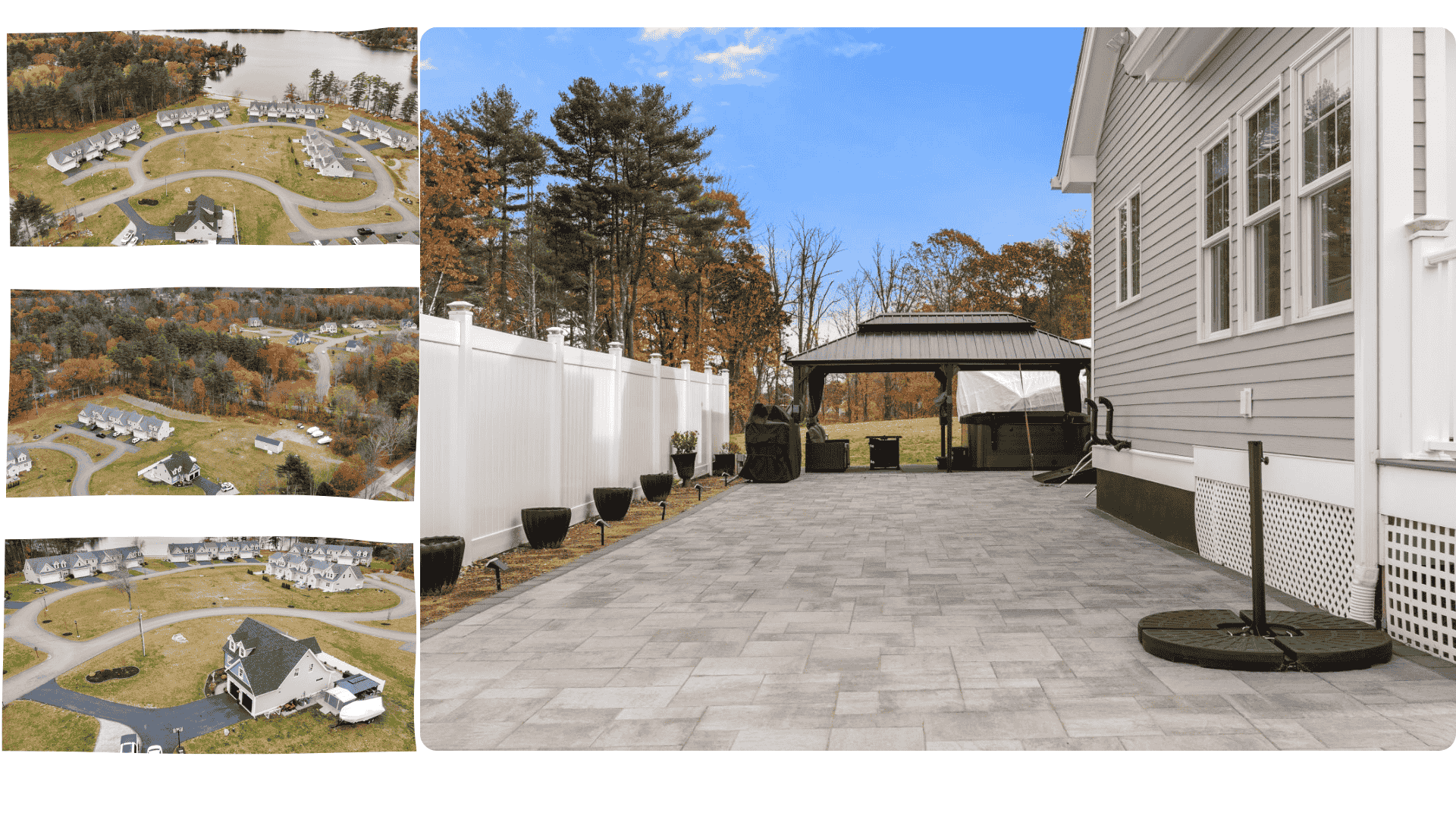
Pros understand that a home isn’t just a structure—it’s a story. From aerial context to grounded detail, every frame works together to show buyers what life here truly feels like.
In fast-moving markets, even mediocre photos can get traffic, buyers are anxious, rushed, and worried about missing out. But in a slower market, buyers browse differently. They’re patient. They’re picky. They compare dozens of homes. They zoom into details. They revisit favorites and dismiss anything that doesn’t grab them emotionally.
Real estate today is consumed like online shopping. Buyers behave like digital shoppers:
They skim quickly.
They scroll fast.
They pause only when something feels good.
So if a listing doesn’t immediately stand out, if it doesn’t look bright, clean, intentional, or aspirational, it rarely gets a second chance.
Professional real estate photography makes a listing feel “worth clicking.” And in a slow market, clicks lead to time spent, time leads to interest, interest leads to showings, and showings lead to offers.
What Professional Photographers Understand (That Most Agents Don’t)
Professional interior and architectural photographers approach homes differently than quick MLS photographers or agents with a smartphone. They don’t just show a room, they show what makes a room special.
They ask different questions:
What is the story of this space?
What did the designer intend?
What emotion should the buyer feel standing here?
What part of the home will make someone fall in love?
How does the light behave at different times of day?
This is why great photography isn’t just clear and bright, it feels intentional. It draws buyers in because it respects how the home was designed to be experienced.
Shoot the Story, Not the Room
A room on its own is just a box. A story is a feeling.
When a photographer walks a home before shooting, they aren’t just checking angles, they’re learning what matters.
Maybe the homeowner added a breakfast nook to catch morning sun. Maybe the living room was designed around a fireplace. Maybe the renovated kitchen flows seamlessly into the dining room for hosting.
These aren’t structural details, they’re stories, and buyers respond to them emotionally.
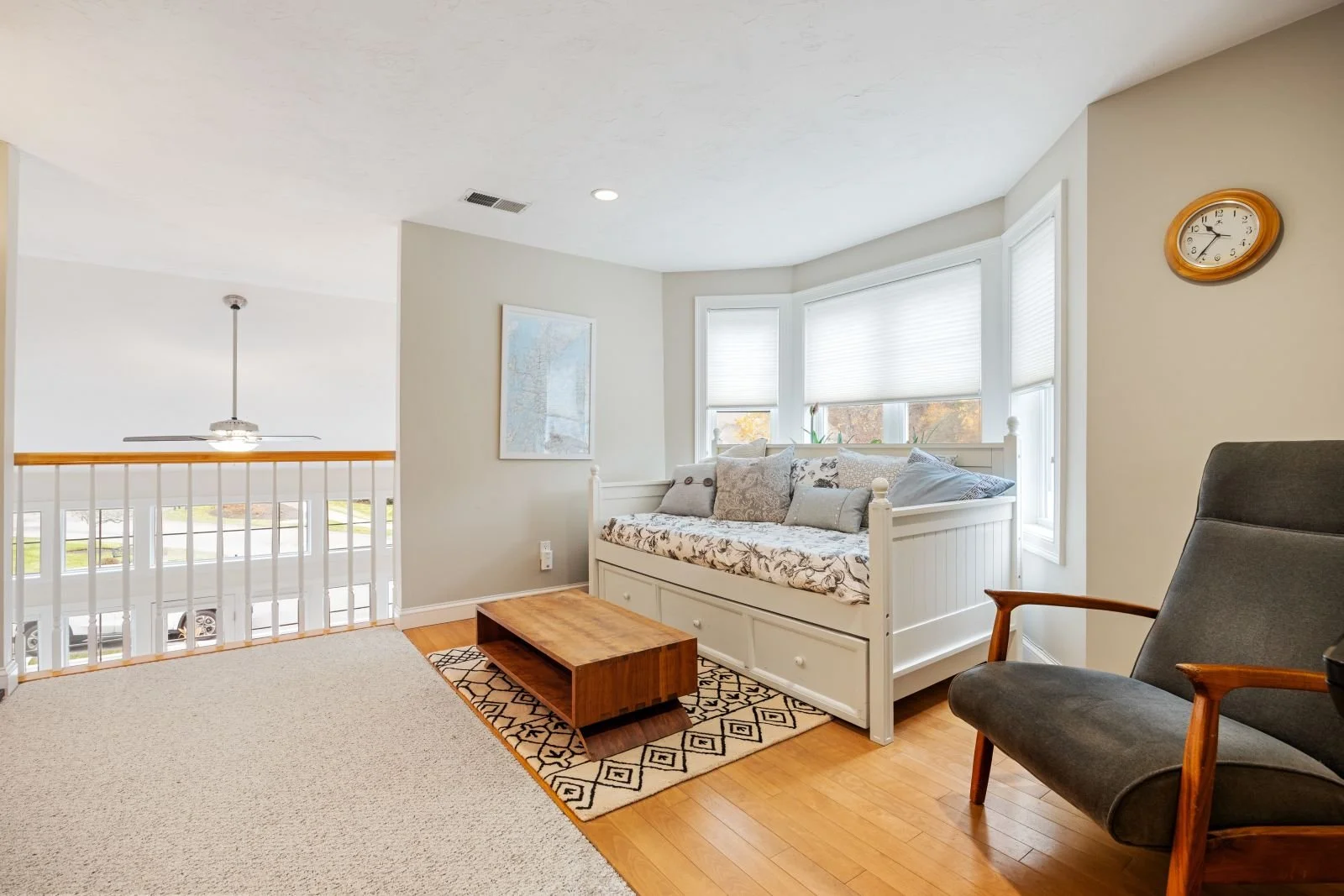
A bright, inviting nook made for slow mornings, good books, and quiet moments of escape. 📷 Captured by Alexis Brickner, REMark Visions.
For example, photographing a cozy nook as if it's just another corner robs it of warmth. But capturing it at the right angle, with soft light pouring in, conveys the lifestyle that space offers. A good photo invites buyers to imagine their morning coffee there, not just observe furniture placement.
That’s what storytelling through photography does:
It makes the home feel like a place someone wants to live, rather than just a layout.
Lighting Should Feel Natural, Not Forced
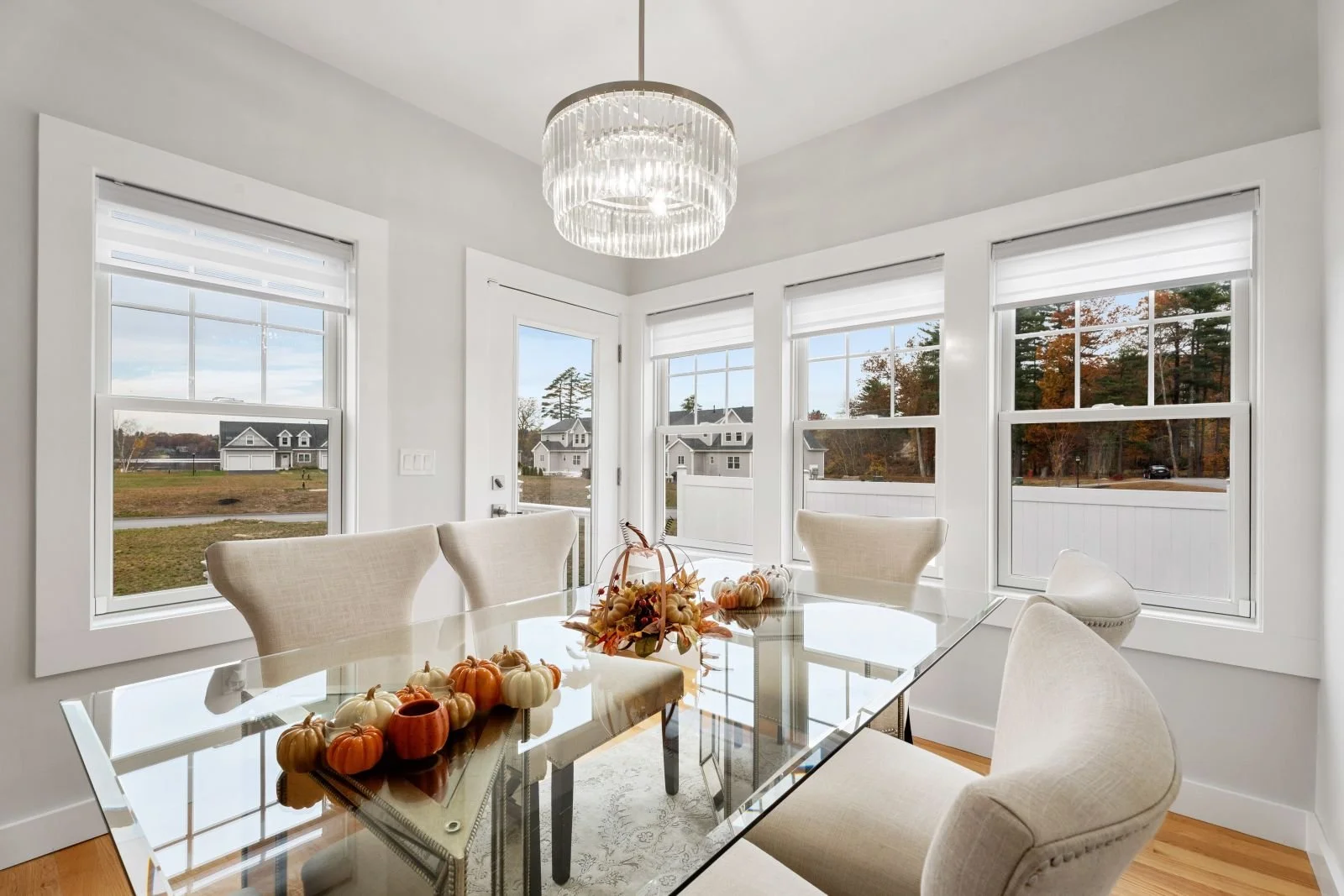
Sunlight does the heavy lifting here, illuminating the dining area with a warmth that feels both natural and effortless. 📷Captured by Andrew Augusta, REMark Visions.
Lighting is one of the biggest giveaways of poor photography. Photos that are overly flashed, washed out, gray around the windows, or unnaturally bright break the illusion and make a home feel cold.
Professional photographers aim for light that feels believable. They refine shadows, add supplemental lighting only where needed, and let natural window light do most of the work. The goal isn’t to make a room brighter, it’s to make it feel like itself.
In a kitchen filled with early morning light, shooting in the morning gives you a softness that flash cannot recreate. A den intended to feel intimate should not be blasted with bright white light, it should retain a sense of coziness.
Lighting shapes emotion. And emotion shapes buyer decisions.
Match the Mood of the Space
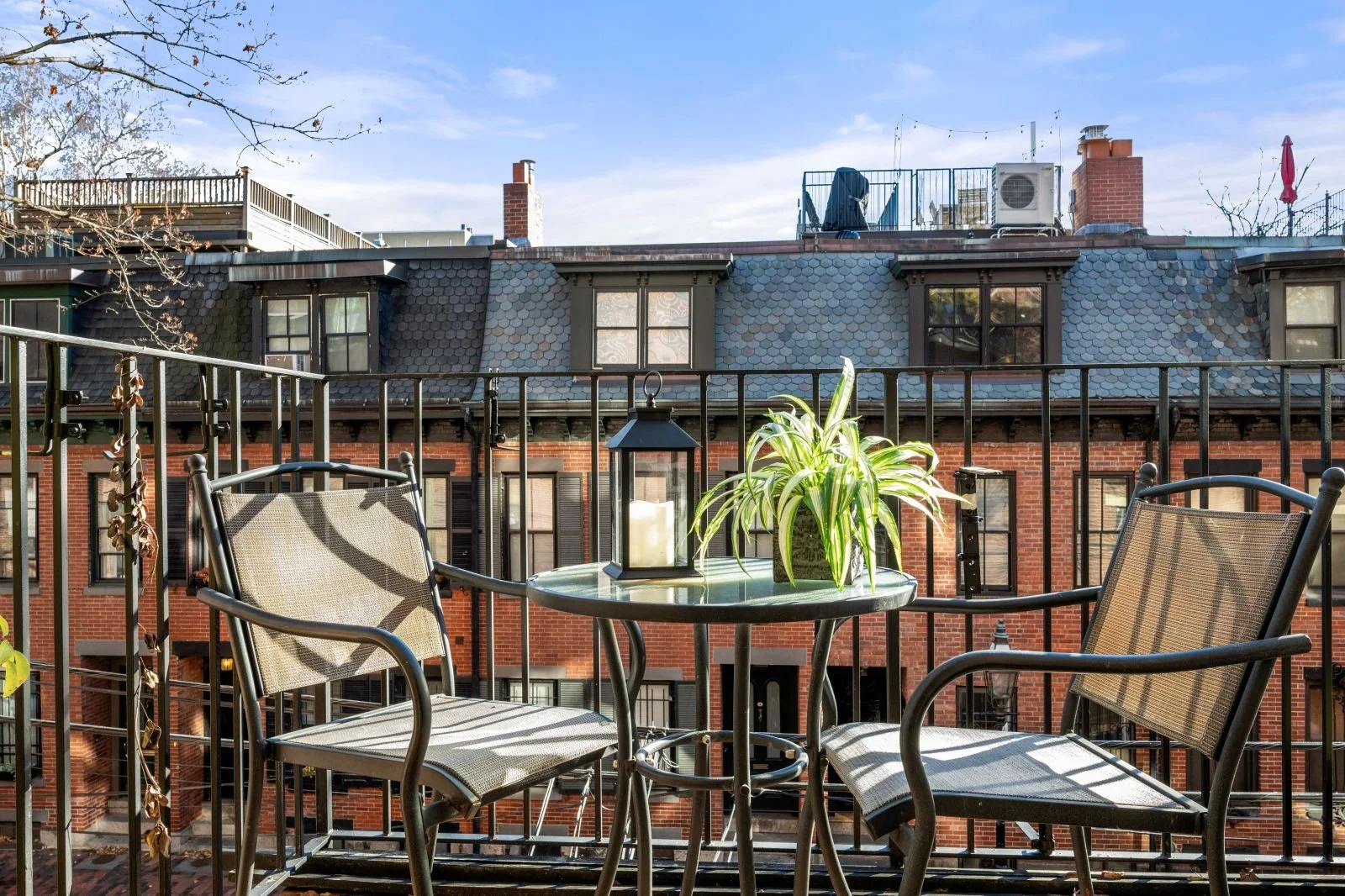
Captured to highlight the atmosphere, this little outdoor nook feels like the perfect setting for late-day chats, easy laughter, and the kind of moments you don’t rush. 📷 Captured by Michael Rajkovic
Every room has a job. A bedroom should feel calming. A dining room should feel warm. A living room should feel open and inviting. A study should feel grounded and focused.
Photography should lean into these moods, not flatten them.
For instance, a historic New England home with natural woodwork deserves warm, expressive lighting. A modern coastal condo should embrace airiness and brightness. Shooting every room the same way, same brightness, same color, or same flash ignores the emotion the room is meant to convey.
Done correctly, photography allows the buyer to feel the vibe of a room before they ever step inside.
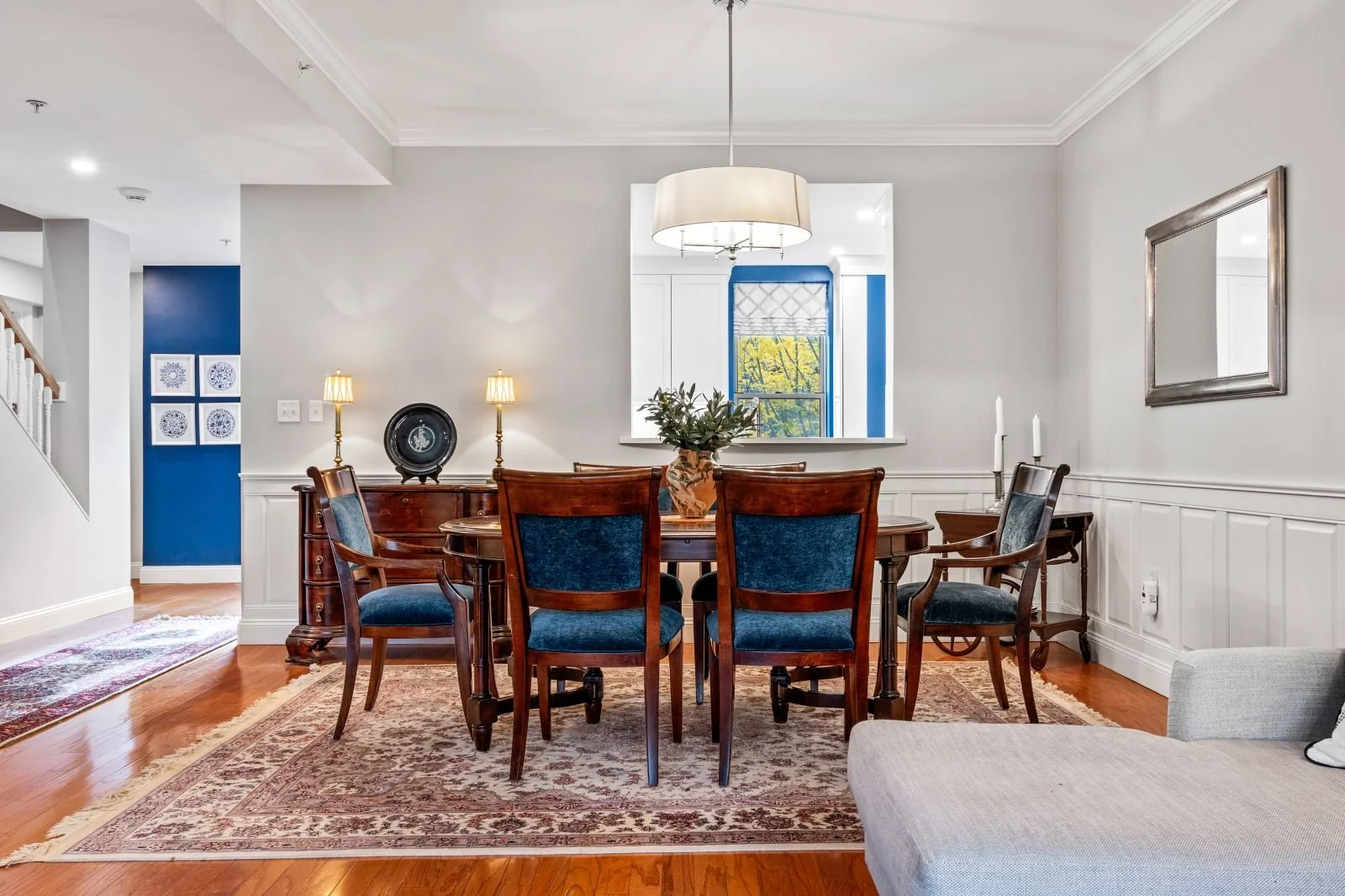
Slow Down and Style the Shot
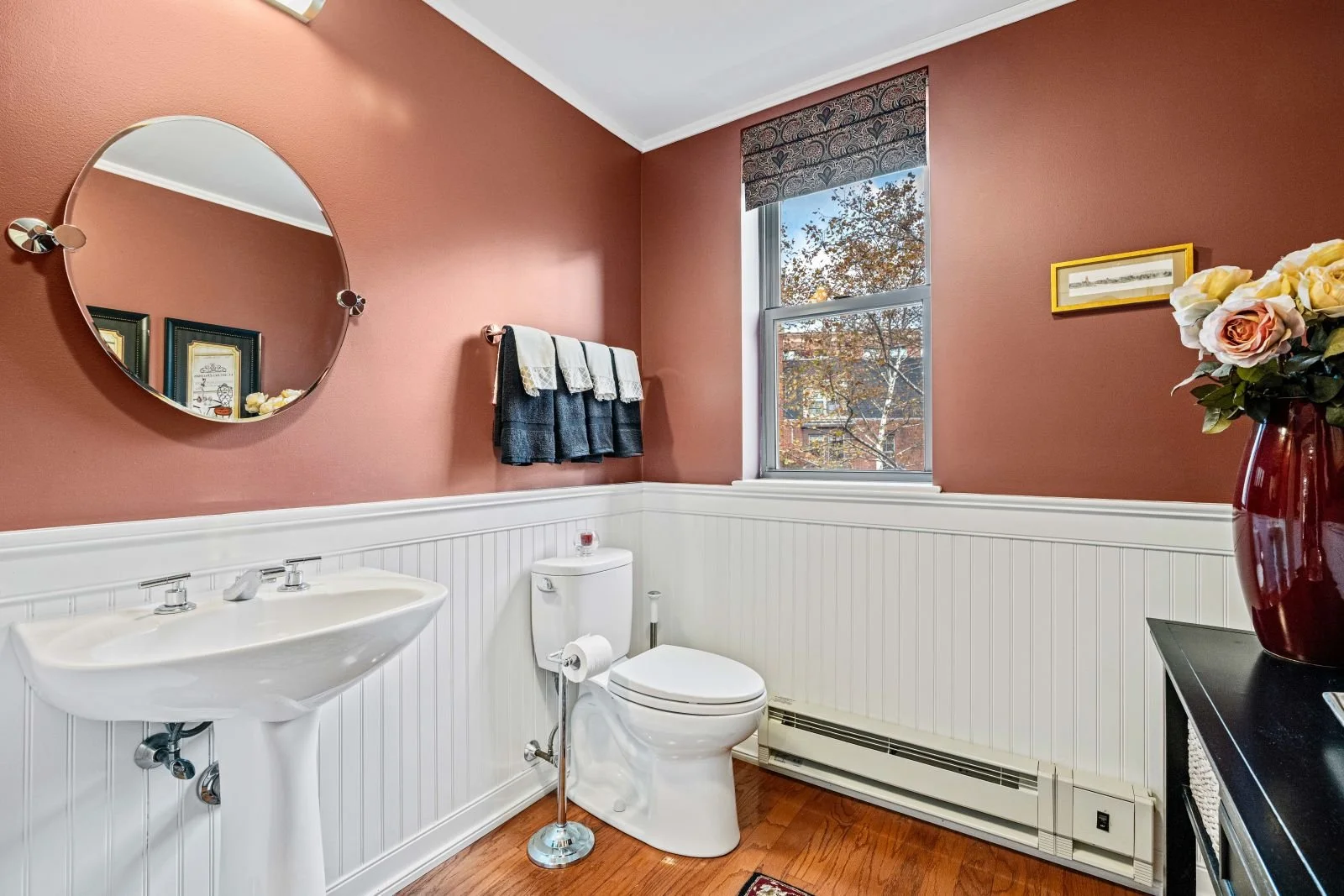
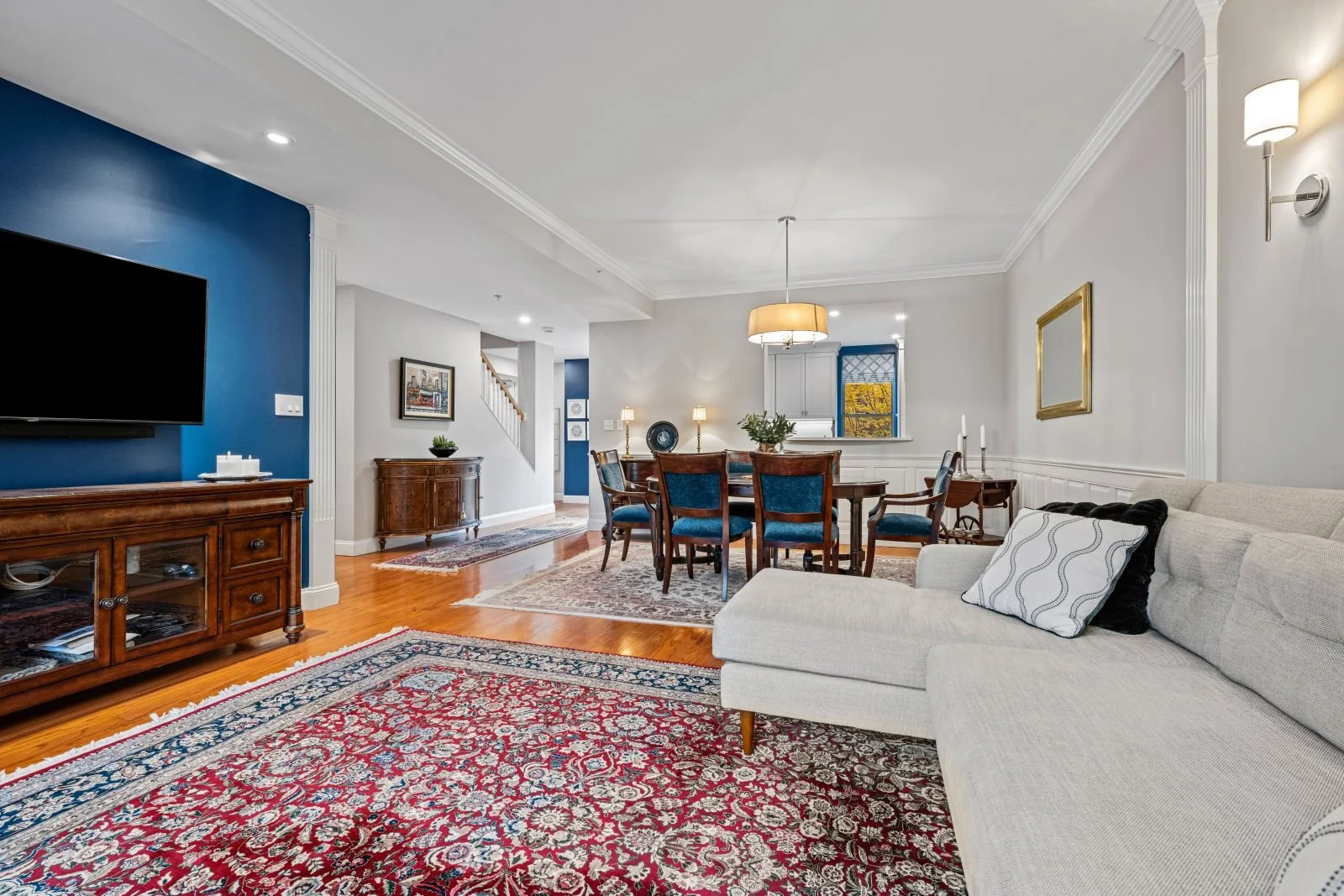
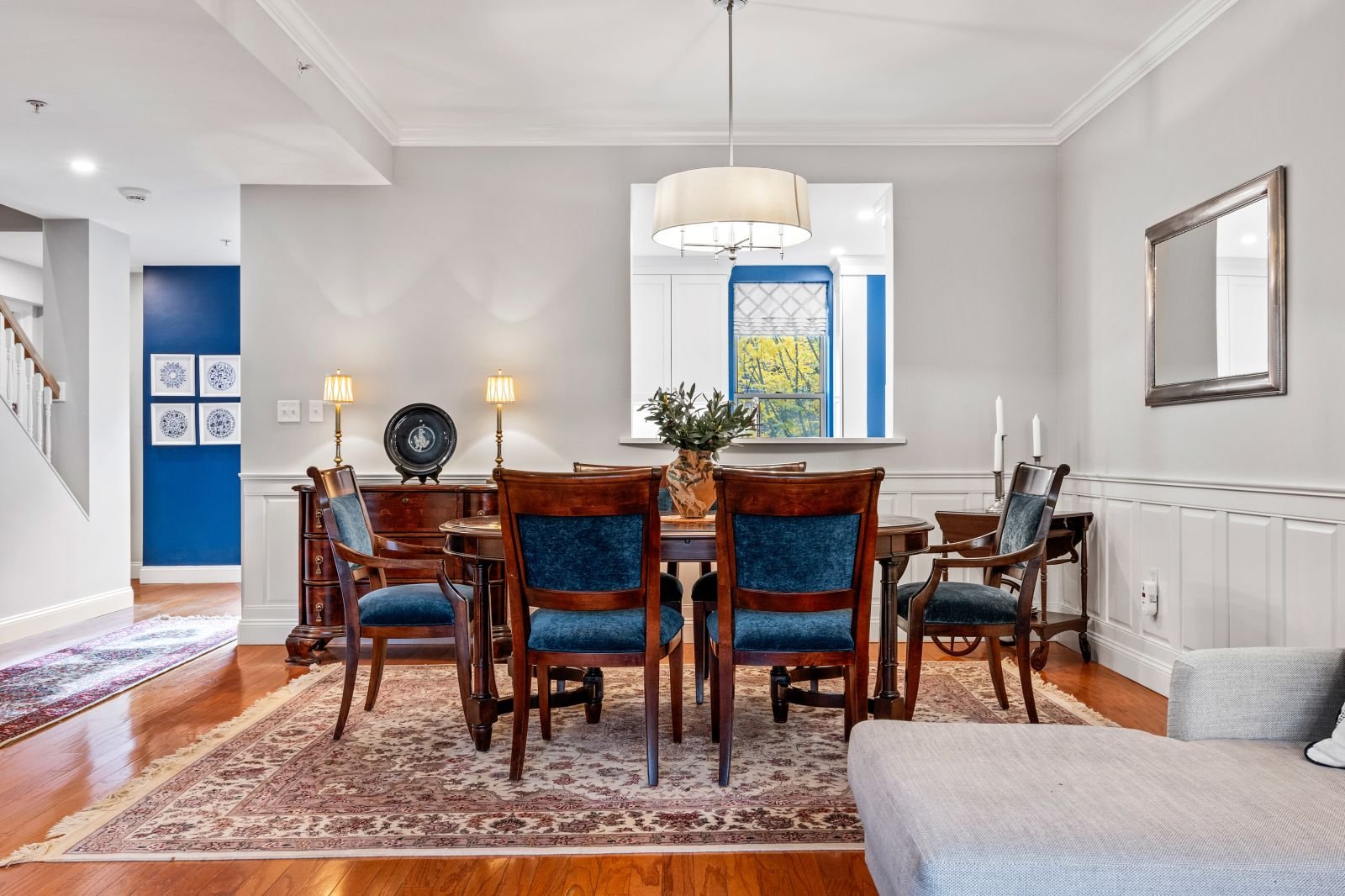
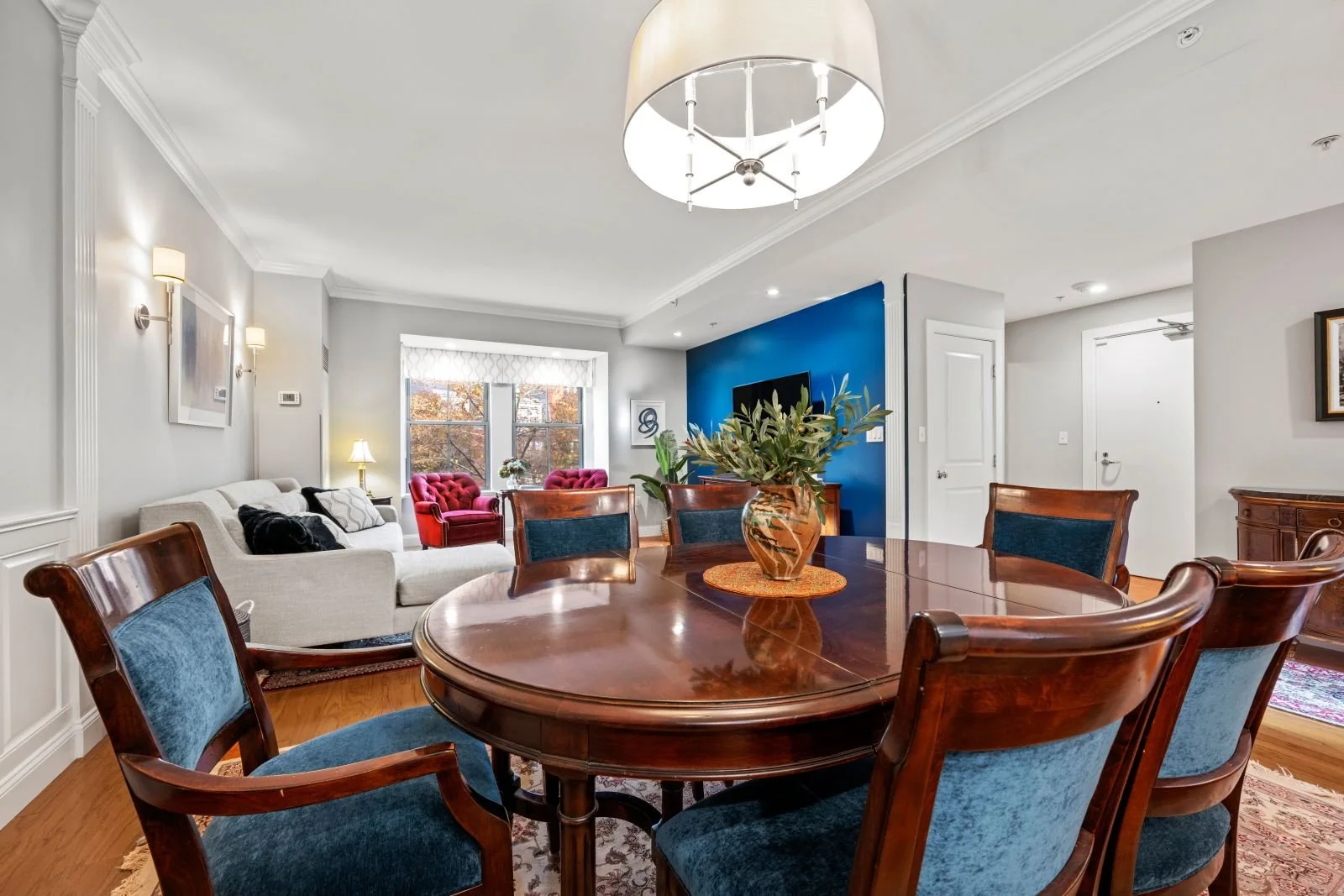
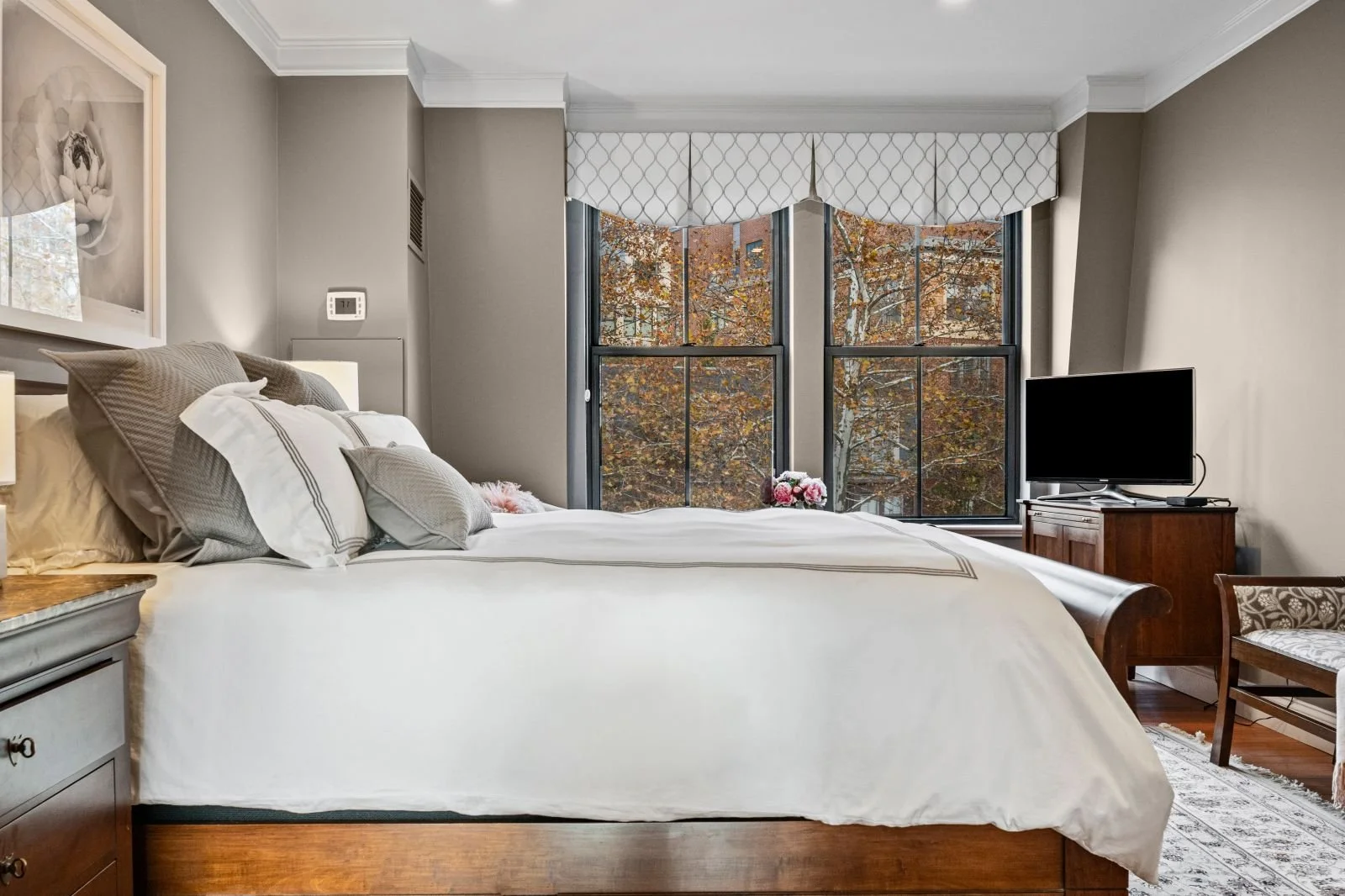
In Gallery: 1 Rollins St, Boston, MA 02118, USA. Check out the full listing here.
This is the step almost everyone skips. Most listing photos are shot fast:
A few minutes in each room, a quick sweep around the exterior, then onto the next appointment.
Professional photographers move slower, because great images come from micro-adjustments, fixing a slanted pillow, removing a crooked frame, adjusting a lamp, straightening a rug, shifting a chair by two inches to improve balance, or removing a distracting item from the counter.
These tiny refinements add up. They turn a room from “fine” into “beautiful,” and buyers may not consciously notice why. It just feels better.
In photography, how a room feels is more important than how it looks.
Use Composition to Guide the Buyer’s Eye
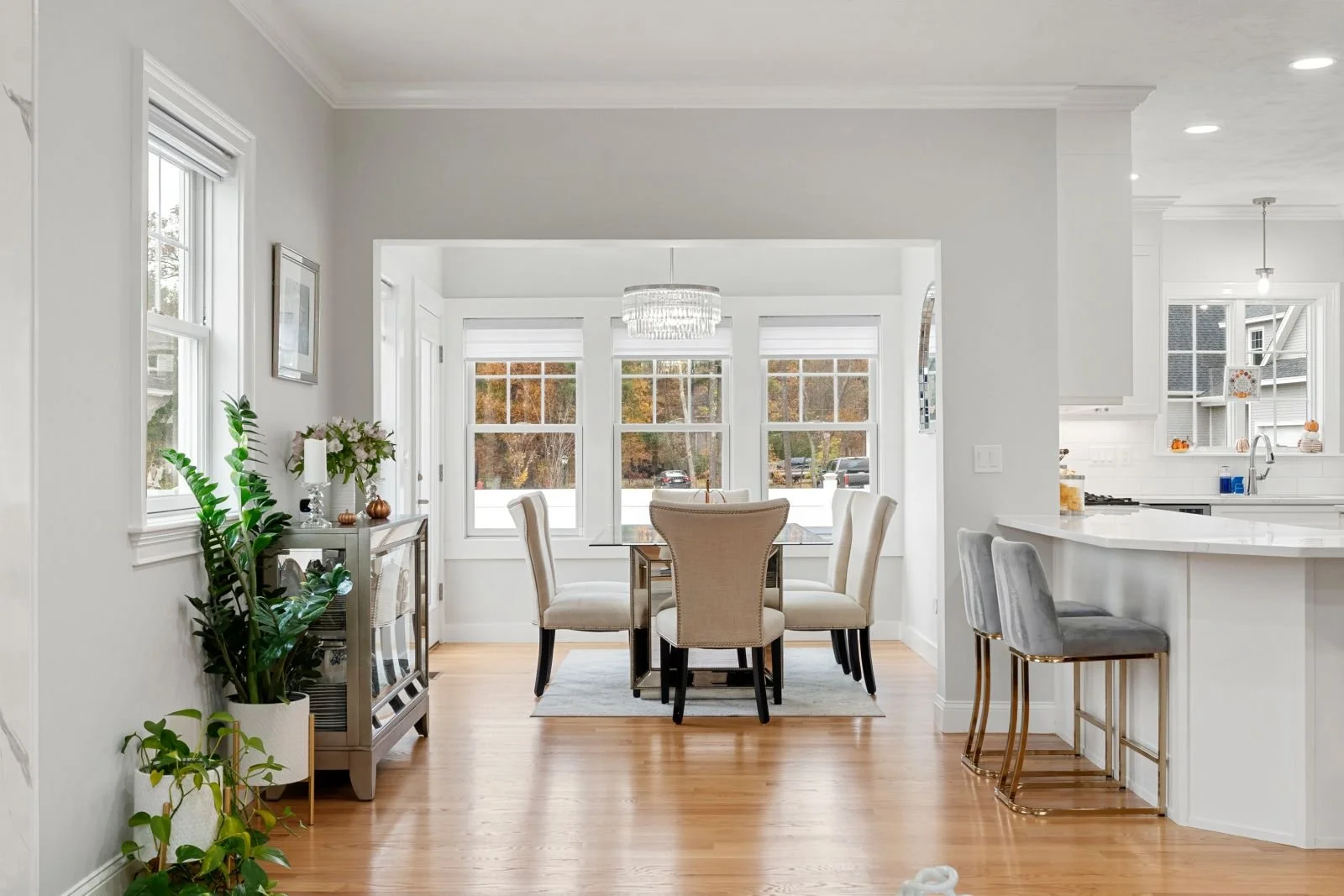
Framed from a natural storytelling viewpoint, this shot guides you through the space exactly as you'd experience it—soft light, clean lines, and a welcoming flow that makes the home feel instantly familiar. 📷 Captured by Andrew Augusta
Composition is one of the most powerful tools in photography, and most people don’t even realize it’s happening.
Lines such as walkways, fences, countertops, railings, and rooflines naturally guide the eye. A well-composed photo uses these lines to draw a buyer toward a focal point.
Imagine photographing a patio: If the deck boards point toward the yard, the eye naturally follows them outward, making the space feel more open. If the camera angle supports the line of sight toward a pool, it gently encourages the buyer to appreciate that amenity.
Composition is non-verbal persuasion. It tells the buyer where to look, without ever saying a word.
Add Depth for a Cinematic Look
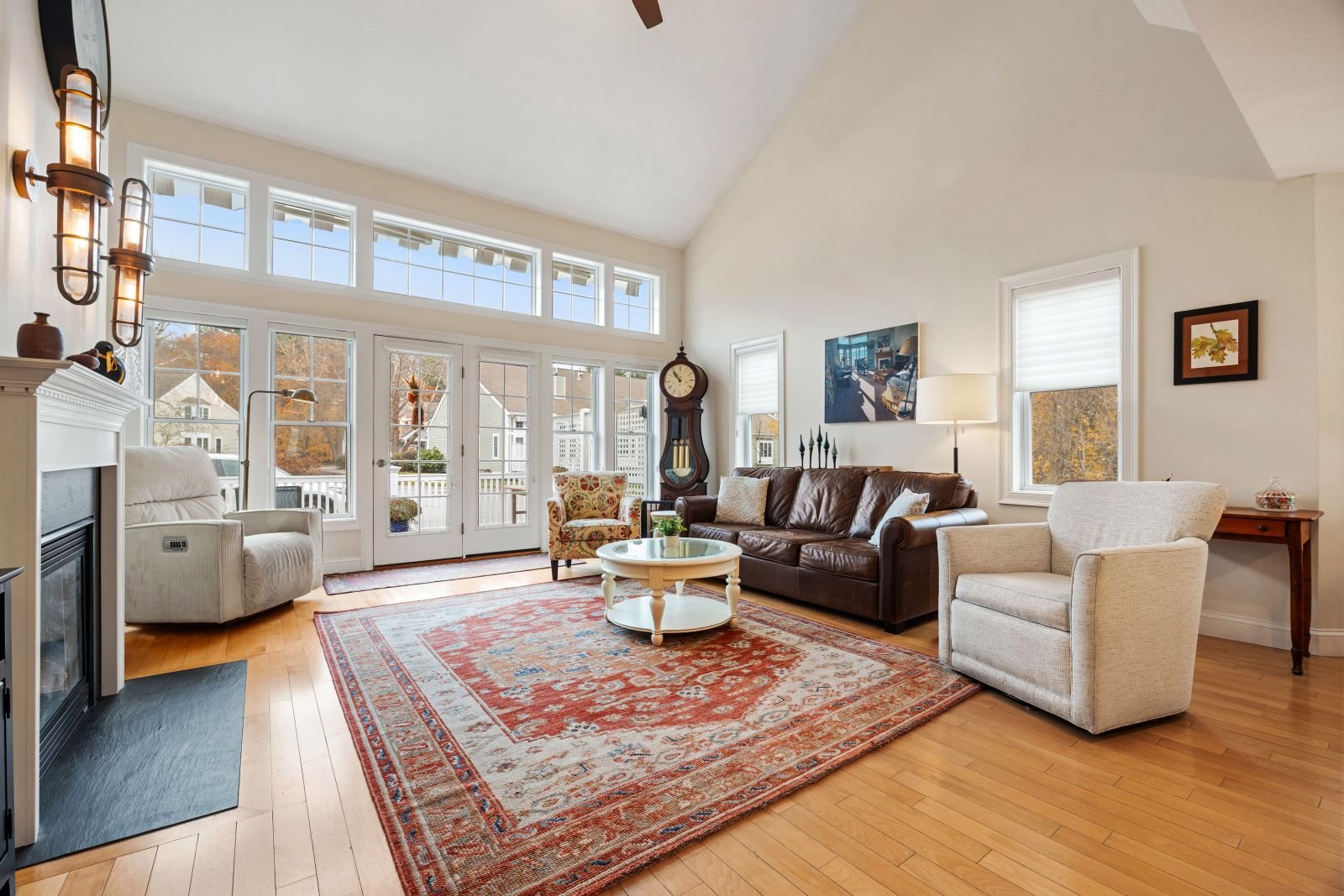
By capturing both the cozy seating and the sunlit backdrop, the photo creates a spacious, lived-in depth that invites you to imagine settling right in. 📷 Captured by Alexis Brickner, REMark Visions.
Flat photos feel lifeless. Depth makes them immersive.
Professionally shot images often include a small foreground element; a doorway, a sliver of a plant, the corner of a countertop, or part of a railing. This subtle layering mimics how the human eye naturally perceives depth, making the viewer feel as if they’re stepping into the scene.
It’s not dramatic. It’s not distracting. It’s just enough to add richness to the image.
This is the visual equivalent of adding a bass line to a song, it fills the space without drawing attention to itself.
Use Symmetry to Create Confidence
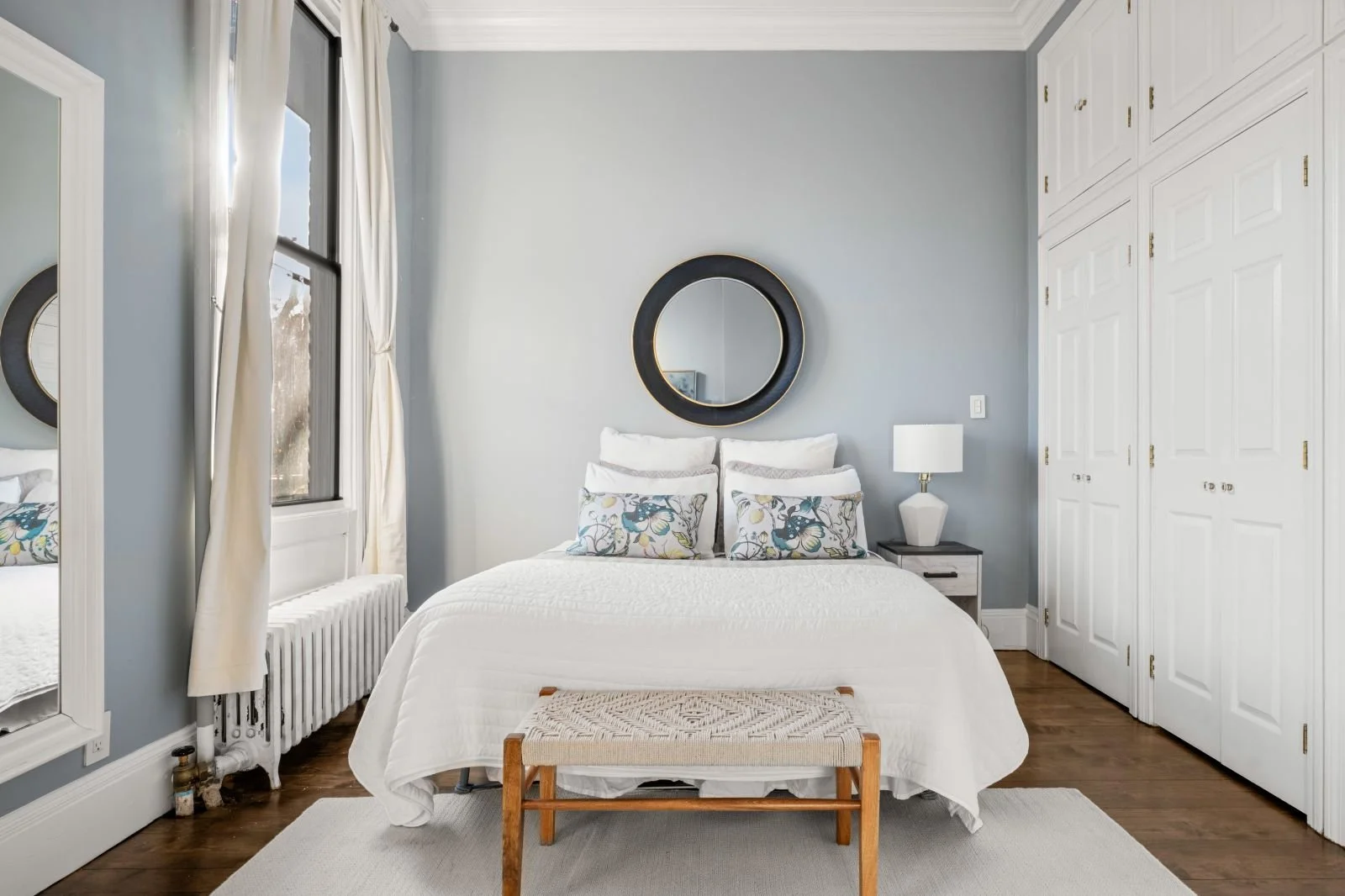
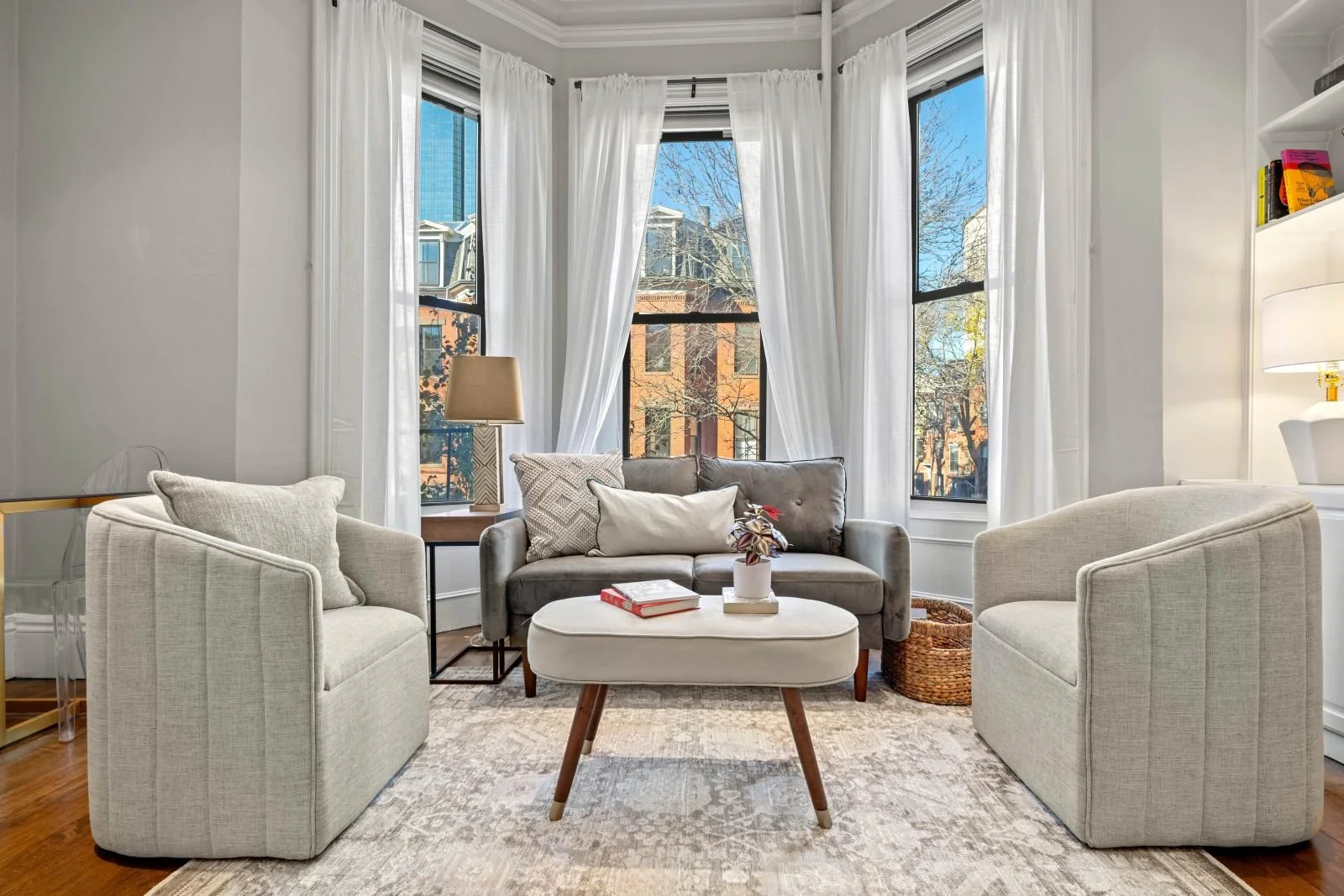
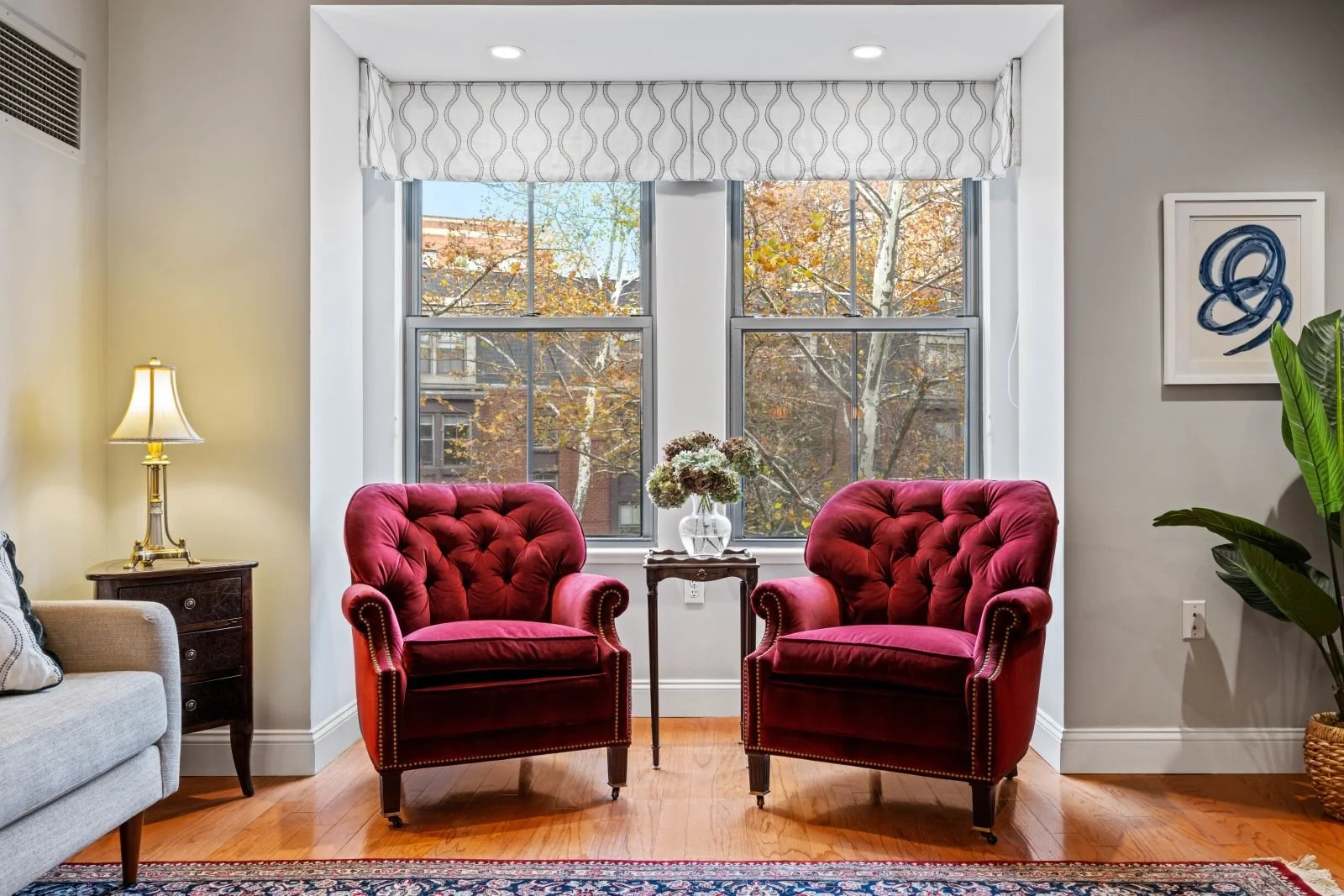
Humans love symmetry. It signals balance, stability, and beauty.
A centered exterior shot with perfect verticals and balanced focus immediately elevates how a home is perceived. It looks polished, expensive, and trustworthy, even if it’s a modest property.
When buyers see a symmetrical image, it communicates care and quality. It says:
“This is a home worth your attention.”
Twilight Photos Create Instant Emotion
There’s nothing quite like a twilight exterior. Cool blue sky. Warm interior lights glowing through windows. A soft halo around the landscaping.
Twilight photos are emotional. They evoke comfort, nostalgia, elegance, and aspiration. They have a cinematic quality that makes a listing feel special, luxurious even.
In a slow market, twilight photos often become the “hero image” that draws clicks, because buyers are drawn to the mood they create.
Drone Photography Sells the Context, Not Just the House
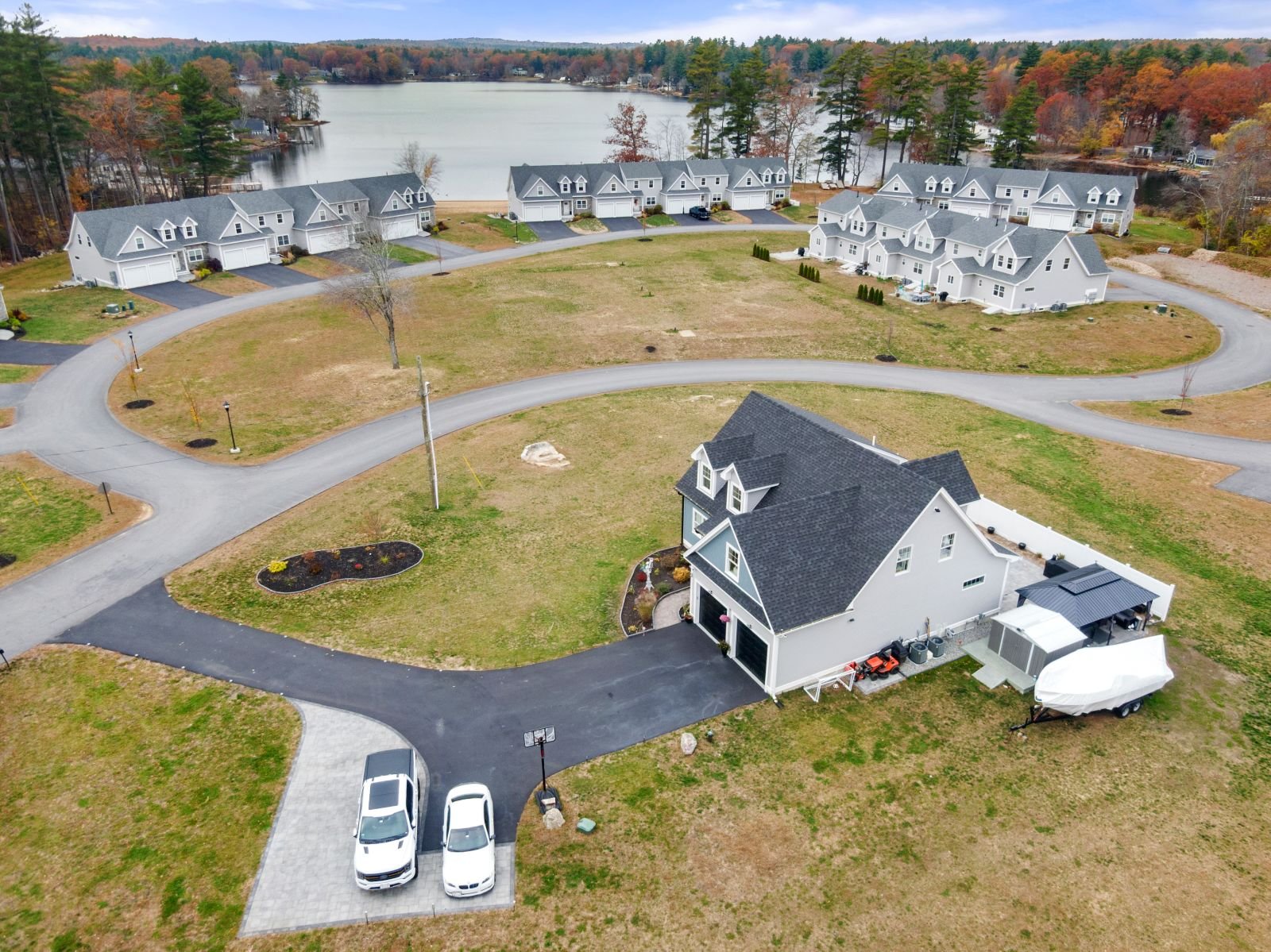
A drone photo can answer more questions in five seconds than a whole paragraph of text.
It shows how close the home is to water. It shows how private the backyard is. It shows the scale of the lot, the curve of the road, the proximity to amenities.
A single aerial photo can transform a buyer’s understanding of the home’s value. It’s not just the structure anymore. It’s the lifestyle.
In markets like New England, where waterfront, coastline, wooded lots, and seasonal foliage add major value, drone photos are indispensable.
How All These Techniques Work Together to Sell Homes Faster
When photography is thoughtful and intentional, when the story of the home, the mood of each room, the lighting, the composition, the depth, and the exterior context all support one another, homes sell better.
Great visuals pull buyers in. Time spent leads to emotional investment. Emotional investment leads to showings. Showings lead to offers. Offers lead to faster sales and stronger prices.
Perhaps the biggest benefit of all: Homes with compelling photography don’t have to rely on price cuts to generate interest.
They attract buyers on merit, not markdowns.
The Bottom Line
A slowing market does not mean slow sales, at least, not for the listings that stand out.
Thoughtfully crafted real estate photography is one of the most powerful tools an agent has today. It respects the mood of the home, highlights the lifestyle it offers, and elevates even modest properties into something memorable.
New England homes, especially, benefit from this level of care. Their character, architecture, and natural beauty deserve to be shown in the best possible light.
Present a home thoughtfully, and buyers will respond, even in a challenging market.
Ready to Make Your Listings Impossible to Scroll Past?
REMarkvisions specializes in creating photography that goes beyond “pretty pictures.” We capture the feeling, the flow, the texture, the context, and the emotion, everything that helps a buyer say, “This is the one.”
Let’s help your next listing stand out and sell faster.